ServicesTerm Life Insurance
Term Life Insurance in Placerville, CA
A term policy covers you for a fixed number of years, often 10, 20 or 30. If you die before it ends, the people you named receive the money. Tell us a little about yourself through our short form, and a licensed agent who works in your town gets back to you with options.
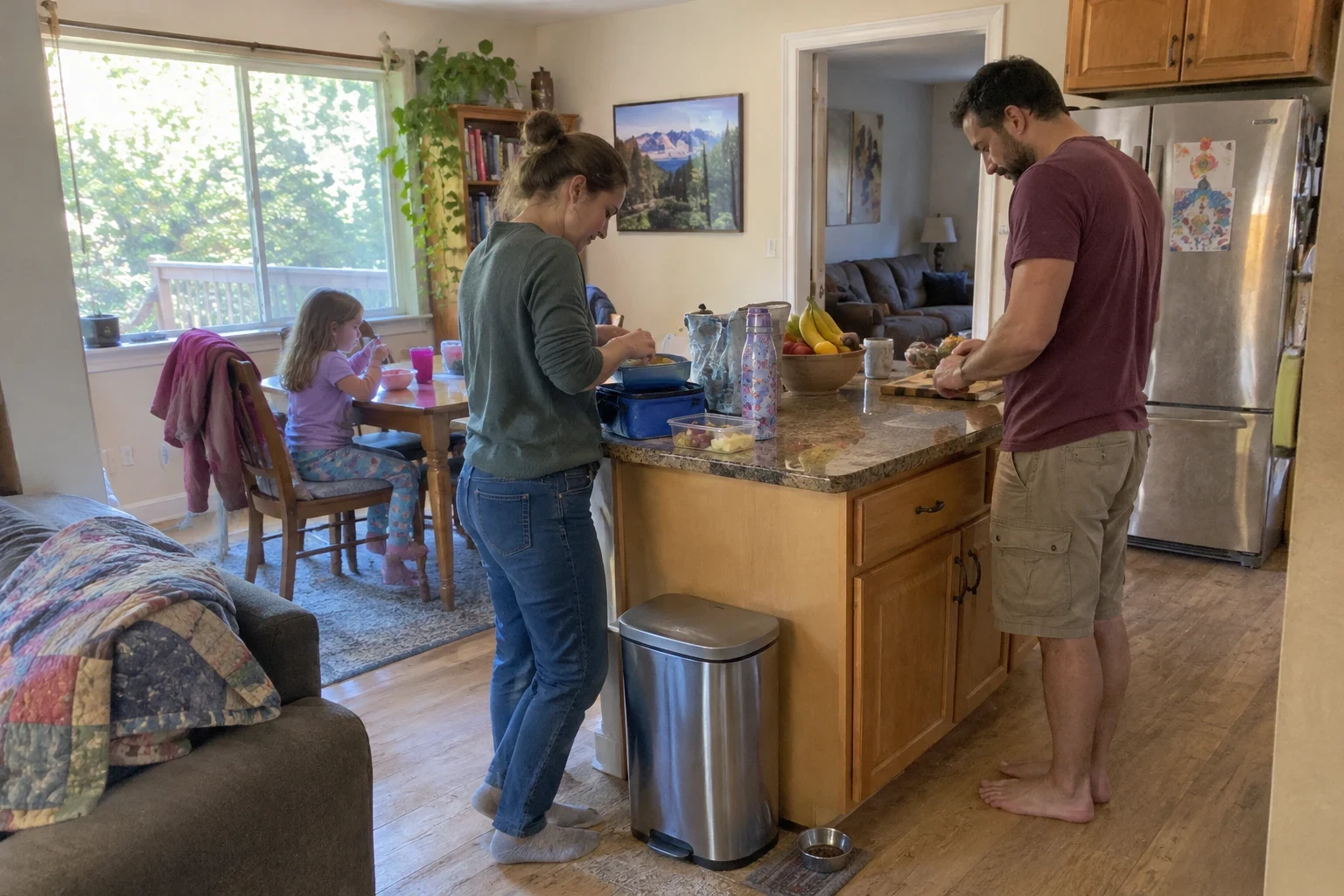
Cover for the years that matter most
A term policy has one job. It pays a set sum to the people you name if you die before the end date. Once the term is over, so is the cover, and nothing is paid if you outlive it. There is no cash value to watch.
That simple setup is why many people in Placerville, Cameron Park and Diamond Springs start with term. For the same amount, it usually costs less than whole life, since it covers a fixed span and builds no cash value. The real work is fitting the length to what you want to protect, so the policy runs as long as the need and not much past it.
The insurer, not us, sets the coverage and price and makes the approval call.
What a term policy gives you
- A set length of time
- Common lengths are 10, 20 and 30 years. You pick the length when you apply, and the policy runs until that date.
- A fixed amount for the people you name
- You choose the amount and who receives it. That can be a spouse, a partner, a grown child or anyone else you pick.
- No cash value
- Term pays only if you die during the term. Nothing builds up inside it, which is a big part of why the price stays lower for the amount of cover.
- A clear end date
- When the term is over, the policy stops. Policies differ on what they allow near the end, so it is worth asking the agent who contacts you how a given policy handles it.
When term life tends to fit
You have a mortgage
Many people line up the term with the years left on the loan. That way the money could pay off the house if they died before it was paid.
Kids rely on your paycheck
A term that runs until the youngest is grown covers the years they lean on you most.
Others count on what you earn
If a partner or family depends on your income, a term policy can replace part of it for a set time.
You carry other debts
Car loans, student loans or a business loan can land on family. Some people pick an amount that would clear them.
You want a larger amount for the money
When the goal is a big amount of cover for a set span, term is the kind people usually look at first.
Your need has an end date
Kids grow up and loans get paid off. When a need shrinks over time, a policy that ends on a date can match it.
How choosing a term length works
- 1
Share a few basics
Give your state, the amount you have in mind and some details about yourself through our short form. It takes about two minutes.
- 2
An agent gets in touch
A licensed agent who covers your town contacts you to go over your answers.
- 3
Work out the years to cover
Before suggesting a length, the agent will likely ask how many years remain on your mortgage, how old your children are, what debts you carry and how long others depend on your income. Your answers usually point toward 10, 20 or 30 years.
- 4
Choose when you are ready
You look over what the agent lays out and pick one, or none at all. Nothing obliges you to buy.
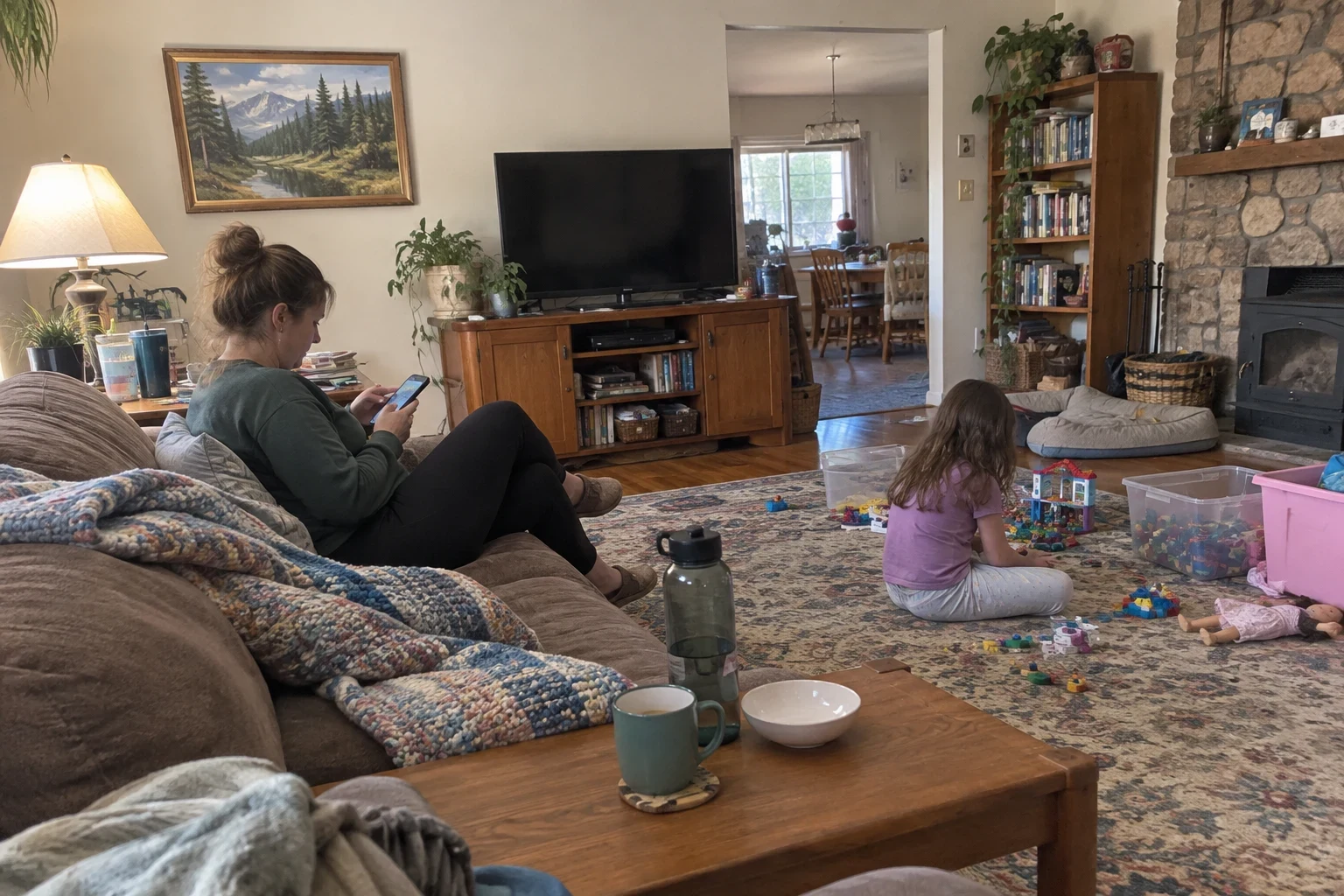
What shapes the cost of a term policy
With term, two choices are mostly up to you: the amount of cover and the number of years. Matching both to what you actually need to protect is how a policy keeps earning its keep from the first year to the last. Your own details play a part too.
- Length of the term
- For the same amount, a longer term usually carries a higher price than a shorter one, because the insurer is on the hook for more years. A term that outlasts the need by a decade keeps you paying for protection after its job is done.
- Amount of cover
- A larger amount means a higher price. Many people build the figure around their mortgage balance and the years of income they would want to replace.
- Your age when you buy
- Age is part of every application. Some people compare locking in a longer term now with taking a shorter one and looking again later.
- Health and tobacco use
- Both affect what any policy costs. The agent who contacts you can explain how they apply to a term policy in your case.
Term life questions people ask
Something not covered here? Ask us
What happens when my term ends?
Cover stops on the end date, and nothing is paid after that. Many people are fine with this, since the house is paid down or the kids are grown by then. If you think you may want cover later, ask the agent what a given policy allows before you choose it.
How do people choose between 10, 20 and 30 years?
Most match the term to their longest need: the years left on a home loan, the years until the youngest child is on their own, or the years until they plan to stop working. A shorter term runs out sooner. The price for any length depends on your age, health and the amount. The choice is yours, and an agent can show you how each length plays out.
How much cover do people usually get?
A common rule of thumb is to take several years of income and add your debts on top. It is only a rule of thumb, not advice for your situation. Some people also set aside something for children's costs or funeral costs.
Can I name more than one beneficiary?
In most cases, yes. The application asks who should receive the money, and it can often be divided among several people. Have their full names ready when you talk it over with the agent.
Does term life build any cash value?
No. A term policy pays only if you die before the term is over. It is protection for a set span of years and nothing more, which keeps it simple to understand.
Does it cost anything to use the service?
No. Answering the questions is free, and hearing your options costs nothing. You pay only if you pick a policy and it is approved. Coverage, price and approval are decided by the insurance company, not by us.
Find out how a term policy might fit your years
Share a few basics through our short form and get options built around the span of time you want covered. It costs you nothing, and the next step is yours to take or skip.
- Takes about two minutes
- No obligation to buy
- Your details stay private
Free, no obligation
See your coverage options
Six short questions. About two minutes.